Tuesday, June 19, 2012
Weeders needed!
I have been doing trades all year: weeding for massage sessions or plants. And now that it has rained (hooray), there is more weeding to be done. If you are interested and live nearby, please send me an email at nanjfawcett@gmail.com and we can set up a time. It is fun to weed together. Good conversation can happen and more gets done!

Rain!
I had given up offering another tincture workshop this summer because of the drought. Although the second and third year perennials were holding their own, they were vulnerable because of the lack of rainfall for the last two or three months. And the new plantings were just hanging in there, those of them that survived. But hallelujah, we had a good rain on Saturday evening and it has given everything a new lease on life. Although there is no rain in the forecast for awhile, I am hopeful that the gardens will recover now. And so I've scheduled another tincture workshop for July 8th. The post immediately before this has a notice about this workshop, though I don't know why it is in color. I hope you can read it.
Making tinctures is so satisfying! And the wonderful thing about tinctures, once they're made, is that they last for years. So you can have a set of various remedies that wait in your medicine cabinet until you need them.
Making tinctures is so satisfying! And the wonderful thing about tinctures, once they're made, is that they last for years. So you can have a set of various remedies that wait in your medicine cabinet until you need them.
Friday, May 11, 2012
Here's your chance to make some plant medicine!
Tincture-Making Workshop
Sunday, May 27, 1-5:00 p.m.
Wapsinonoc Farm, West Branch, IA
At this workshop you will:
•
Learn about healing properties of medicinal plants growing in Wapsinonoc Gardens
•
Choose one or
more plants that you would like to tincture
•
Tour the
medicinal gardens
•
Harvest your
chosen plants, clean, prepare, and fill tincture jars to take home
Provided:
•
Handouts of
medicinal plant descriptions and uses, & instructions on tincturing
•
Lots of
individual attention as you choose your plants and make your tinctures
•
Medicinal plants
•
Large and small
jars for tincturing
•
One small dosage
dropper bottle
•
100 proof vodka
•
Snack
Cost: $50 per person. Please register early as workshop is
limited to ten people
Contact info: Nan Fawcett, 2039 Eureka Avenue, West Branch, IA
52358
nanjfawcett@gmail.com or 319-643-3342.
nanjfawcett@gmail.com or 319-643-3342.
Tuesday, April 24, 2012
Medicinals Planted in 2012
Here is a list of the seeds that I planted this winter and spring here at Wapsinonoc Gardens. At this point, they are in various stages of their growth. As long as numbers last, most if not all of them will be available for purchase this year. And many more medicinals already growing in the gardens here are available for harvest during tincture workshops. The first tincture workshop this spring will be on May 27th. More about this in a separate post.
Medicinal Herbs Planted in 2012:
Medicinal Herbs Planted in 2012:
- Lomatium dissectum
- Wild Geranium
- Rhodeola, Scandinavian
- Rhodiola, Russian
- Rhodiola, Alps
- Devil's Club
- Shining Angelica
- Garden Myrrh
- Giant Solomon's Seal
- Agrimony
- Bearsfoot
- Cowslip
- False Unicorn (Helonias Root)
- Black Cohosh
- Schisandra (Wa-wei-zi)
- Zhi-mu
- Japanese Angelica Tree
- Black Elderberry
- Hawthorne, Wild Form
- Spicebush
- Witch Hazel
- St. Johnswort, Topas
- Horehound
- Purple Foxglove
- Pennyroyal
- Betony
- Lady's Mantle
- Vincenza Blue Lavender
- Silver Sagebrush
- White Sage
- Rosemary
- Lemonbalm
- Blue Vervain
- Broadleaf Sage
- Ashwaganda
- Blue Flax
- Anise Hyssop
- Balloon Flower
- Andrographis
- Lovage
- Chaste Tree
- Empress Tree
- Costmary
- Figwort
- White Yarrow
- Catnip
- Boneset
- Gayfeather
- Meadowsweet
- Maralroot
- Siberian Motherwort
- Rupturewort
- Bugleweed
- Wormwood
- Tansy
- Hyssop
- Feverfew
- Celandine
- Codonopsis (Dang-shen)
- Dianthus, Fringed Pink
- Self-Heal
- Indian Lemongrass
- Rue
- Ox-Eye Daisy
- Giant Purple Angelica
- Alum Root
- Wood Betony
- Sacred Basil
- Beach Silvertop (Glennia liltoralis)
- Valerian
- Chinese Hawthorne
- Sweet Woodrull
- Turkey Rhubarb
- Great Blue Lobelia
- Navajo Tea
- Kashmir Sage
- Nirgundi (Vitex negundo)
- Fireweed
- Greek Mullein
- Chinese Motherwort
- Mexican Tarragon
- Lyre Leaf Sage
- Sheep Sorrel
- Wald Dagga
- Elecampane
- High Desert Four O'Clock
- Japanese Catnip
- Maiden's Tears
- Ku Shen
- Gogi
- Resina Calendula
- German Chamomile
- Borage
- Nigella
Saturday, April 14, 2012
Ready for next Iowa City Farmers Market
Many 4-pack seedlings of herbs and veggies will be for sale at the next Iowa City Farmers Market at Grant Wood School. 4-packs are $3 (since these are all organically grown, this is a good deal indeed!):
Culinary Herbs:
Sweet Basil
Curly Parsley
Italian Parsley
Cilantro
Bouquet Dill
Mammoth Dill
Curled Chervil
Sacred Basil
German Chamomile
Veggies:
Redbor Kale
Champion Collards
Baby Bok Choy
Bloomsdale Spinach
Zefa Fino Fennel
Winterbor Kale
Blushed Butter Cos Lettuce
Arugula
Red-earred Butterheart Lettuce
Speckled Amish Bibb Lettuce
Buttercrunch Bibb Lettuce
Gardiner's Delight Cherry Tomato
Oxheart Giantissimo Tomato
Argenta Swiss Chard
Peacevine Cherry Tomato
Jubilee Tomato
Principe Borghese Tomato
Ida Gold Yellow Tomato
Pink Brandywine Tomato
Soldacki Tomato
Amish Paste Tomato
Ruby Gold Bicolor Tomato
Blues Chinese Cabbage
Slicing Cucumbers
Pickline Cucumbers
All the above plants are annuals, and therefore are quick to grow and need to be planted in good time this spring. In addition, I will always have an assortment of perennial medicinal herbs which can be planted ANY time and will be with you for years to come!
Culinary Herbs:
Sweet Basil
Curly Parsley
Italian Parsley
Cilantro
Bouquet Dill
Mammoth Dill
Curled Chervil
Sacred Basil
German Chamomile
Veggies:
Redbor Kale
Champion Collards
Baby Bok Choy
Bloomsdale Spinach
Zefa Fino Fennel
Winterbor Kale
Blushed Butter Cos Lettuce
Arugula
Red-earred Butterheart Lettuce
Speckled Amish Bibb Lettuce
Buttercrunch Bibb Lettuce
Gardiner's Delight Cherry Tomato
Oxheart Giantissimo Tomato
Argenta Swiss Chard
Peacevine Cherry Tomato
Jubilee Tomato
Principe Borghese Tomato
Ida Gold Yellow Tomato
Pink Brandywine Tomato
Soldacki Tomato
Amish Paste Tomato
Ruby Gold Bicolor Tomato
Blues Chinese Cabbage
Slicing Cucumbers
Pickline Cucumbers
All the above plants are annuals, and therefore are quick to grow and need to be planted in good time this spring. In addition, I will always have an assortment of perennial medicinal herbs which can be planted ANY time and will be with you for years to come!
Tuesday, April 10, 2012
Two Miracle Workers

I learned about plantain and comfrey many years ago when my children were small. Our family was homesteading in the mountains of North Carolina, and there were others like us living nearby, often people who had escaped from the ratrace of the city and were looking for a quiet and natural lifestyle. The community included quite a few people skilled in healing herbs, and I was an avid learner. It was from Susun Weed's books that I learned how to make plantain salve, and it soon became a popular item with some of my friends. Over the years I've experimented with different additions to the salve: comfrey, calendula and chamomile. And though these good medicinals lend their own great qualities to the mix, the truth is that plantain is the real miracle-worker. It is a humble plant, growing at our feet, especially where we walk frequently. It seems to prefer compacted soil, and Indians used to call it "white man's footsteps" (it was inadvertantly brought over from Europe with the first settlers). The seed head is the psyllium seed that we so commonly use in preparations for "regularity". But it is the leaves that I treasure. You can use them if you're on a walk in the woods and get stung by a bee, or by nettle: just pick a leaf, chew it up a little, and then put the mushy paste on the sore spot. Or if you get a cut or scratch, do the same. I use it in the salve pictured above, and it is by far my best-seller at farmers markets. People come to the market just to buy this! I am so proud of the plantain when this happens; it is like the Frodo of the plant world, small and humble yet so very important to us.
The last time I bought labels for my salves, my doctor recommended that I put something like "for external use only" on it somewhere. So I thought this is what I had included in my order. How surprising to notice, when the labels came in the mail, that I had writen "for internal use only!" I got a chuckle imagining people buying these jars, getting home with them, reading the label, and beginning to eat the salve! So I put a dark mark through the ridiculous misprint. Next I'll have to think of a snappier name than Herbal Healing Salve. Any suggestions?

Thursday, March 29, 2012
Amazing Flower Remedies

Have you had the experience of suddenly discovering something amazing and new, and wondering why everyone wasn’t shouting it from the rooftops? I felt like that on the summer day in England when I first saw a crop circle. I couldn’t believe that all the world’s newspapers weren’t running front page headlines on this incredible phenomenon. I also felt this way when I took my first class on flower essences. These exquisite creations of nature, flowers, are all around us. And not only do they grace our lives with beauty and play a crucial role in attracting insects to propagate their species. They are also potent remedies for emotional and spiritual well-being! What a concept! The flower essence workshop that I took in the 1980’s opened my eyes to a new kind of plant medicine. Since then I have used flower remedies myself and often helped friends decide what ones will benefit them most.
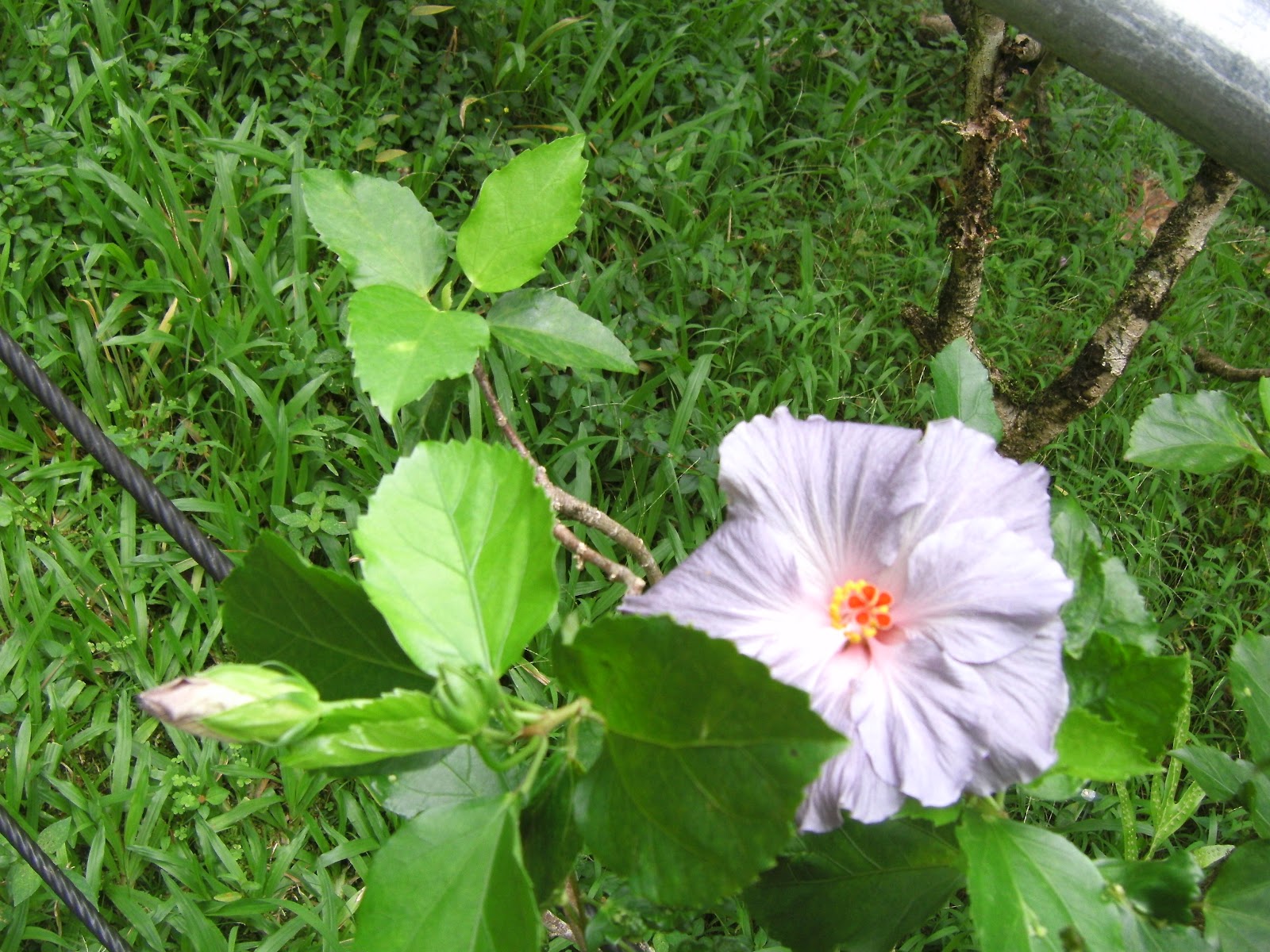
Over the ages, flowers have been used for healing in a variety of ways. But it was Edward Bach, an English physician in the 1930’s, who began to do research on the effect of flower essences on some of his patients with emotional and tough-to-treat physical and attitudinal difficulties. He eventually developed 38 flower essences, addressing many human patterns that get in the way of emotional, spiritual and physical health. For example, Agrimony helps with self-worth, Chicory with inter-personal love, Hornbeam with strength to carry out personal intention, Scleranthus with balance and stability, and the list goes on. Bach Flower Remedies are used worldwide today by millions of people.

In the past twenty or thirty years, other folks have developed their own lines of flower remedies, treating a broader range of human challenges than the Bach remedies addressed. There are fascinating books on the uses of flower essences in medicine, psychotherapy, social work, crisis care, aging, developmental transitions, child care, and pet care, just to name a few. But what I like is that you can experiment with these gentle helpers, with no fear of an ill effect. This is what is known as vibrational medicine, and there is very little, if any, of the actual flower in the final mix. You make a flower essence with the clean petals from a particular flower, clear pure water, and the sun.
Making Flower Essences is one of the new workshops that we’ll be offering at Wapsinonoc Gardens this summer, once there are a variety of flowers blooming here. Stay tuned for the date.
Subscribe to:
Posts (Atom)